
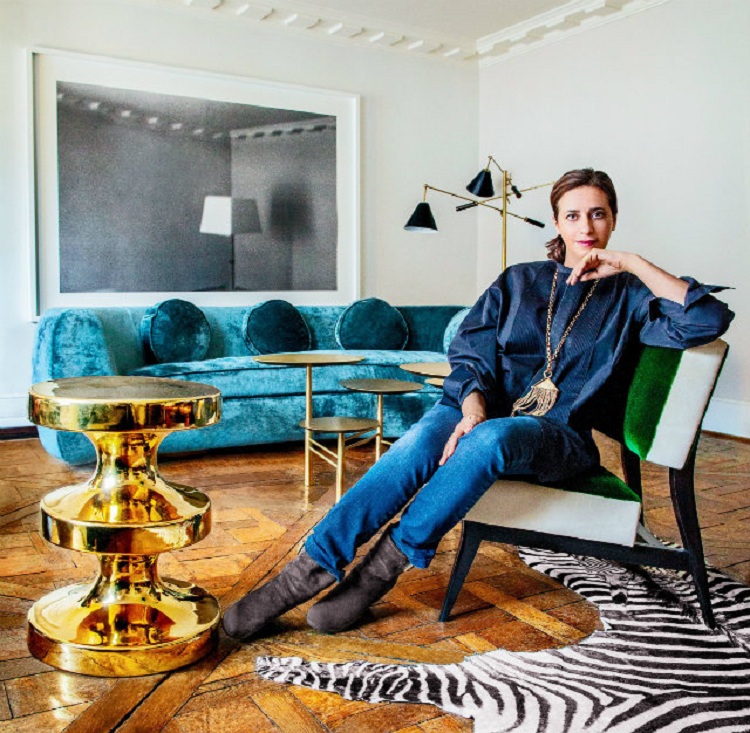
Fashion has always been more than choosing clothes or following seasonal trends. It is a way for people to express their personalities, preferences and lifestyles. From clothing and accessories to interior decoration and architectural design, personal style influences many aspects of everyday life. As modern lifestyles continue to evolve, the relationship between fashion and comfortable living spaces has become increasingly interesting.
Today, people often look for harmony between the way they dress, the environments they create and the experiences they enjoy. A thoughtfully designed home, just like a well-coordinated outfit, can reflect individuality while providing comfort and functionality.
The Connection Between Personal Style and Home Design
Fashion and interior design share several creative principles. Both involve colours, textures, proportions and carefully selected details. Someone who appreciates minimalist fashion, for example, might also prefer a home with neutral colours, uncluttered surfaces and elegant furniture.
Similarly, people who enjoy bold patterns and expressive accessories may incorporate distinctive artwork, decorative lighting or colourful furnishings into their living spaces.
The key is finding a balance between appearance and practicality. A beautiful outfit should also feel comfortable, while a well-designed home should support everyday activities rather than simply look attractive.
This connection has encouraged homeowners to approach interior design with the same attention to detail they give their personal wardrobes. Choosing complementary colours, investing in quality materials and creating a consistent visual theme can make an ordinary living space feel more personal.
Modern Architecture Is Influencing Lifestyle Choices
Contemporary architecture has changed how people think about residential spaces. Modern homes are increasingly designed around natural lighting, efficient layouts, greenery and shared recreational environments.
These features are particularly appealing to people who value convenience without compromising their lifestyle preferences. Spacious living areas, functional kitchens and comfortable bedrooms can make daily routines more enjoyable.
Singapore offers interesting examples of how residential architecture is responding to changing lifestyle expectations. Developments such as One Chuan Grove reflect the growing interest in contemporary residential environments, with a planned mix of private homes and communal facilities in the established Lorong Chuan neighbourhood.
For homeowners, the surrounding environment can be just as important as interior design. Accessibility, nearby amenities, green spaces and transport connections all influence how comfortably people experience their homes.
Creating a Stylish and Comfortable Living Environment
A stylish home does not necessarily require expensive furniture or elaborate decorations. Often, small improvements can make a significant difference.
One useful approach is to establish a consistent colour palette. Neutral shades such as cream, beige, white and soft grey provide a versatile foundation, while carefully selected decorative pieces introduce personality.
Lighting is another important consideration. Natural light can make rooms feel more spacious and welcoming, while layered artificial lighting creates different moods throughout the day.
Read More: Timeless Menswear Essentials Every Man Should Own With Louis Philippe
Furniture should also be selected according to the available space. Multifunctional pieces, comfortable seating and practical storage solutions can help maintain an organised environment without sacrificing visual appeal.
Plants and natural materials are additional ways to introduce warmth. Wooden furniture, textured fabrics and indoor greenery can soften contemporary interiors and create a more relaxing atmosphere.
These choices demonstrate that good design is not simply about appearance. It is about creating surroundings that support comfort, creativity and everyday wellbeing.
Why Location Matters in Modern Urban Living
Lifestyle preferences extend beyond the walls of a home. The surrounding neighbourhood can influence everything from daily commuting to weekend activities and social experiences.
People increasingly appreciate residential locations that provide access to shopping, restaurants, recreational spaces and public transportation. A convenient neighbourhood can reduce travel time and leave more opportunities for personal interests.
Singapore’s River Valley district illustrates this relationship between residential living and lifestyle convenience. The area combines established residential surroundings with shopping destinations, dining options and access to the Singapore River.
The upcoming River Opus development is an example of a residential project planned around this type of urban environment. Located along River Valley Road, the mixed-use redevelopment is planned to incorporate private residences, serviced residences and commercial spaces.
Its proximity to Great World MRT Station and the surrounding lifestyle destinations demonstrates why accessibility and neighbourhood character are important considerations when evaluating contemporary residential environments.
For individuals who enjoy exploring cafés, shopping districts, riverside walks and cultural attractions, a well-connected location can contribute significantly to their overall living experience.
Sustainable Choices in Fashion and Interior Design
Sustainability is becoming an important consideration in both the fashion and home design industries. Consumers are increasingly interested in products that combine quality, durability and responsible production.
In fashion, this may involve choosing timeless clothing rather than constantly purchasing short-lived trends. Investing in versatile pieces that can be styled in different ways can help create a more practical wardrobe.
A similar approach works in interior design. Durable furniture, energy-efficient lighting and reusable decorative materials can reduce unnecessary consumption while maintaining an attractive home environment.
Natural ventilation, daylight and carefully planned spaces can also contribute to more comfortable residential interiors.
Rather than replacing everything whenever trends change, homeowners can update their surroundings through smaller adjustments. Changing cushions, artwork, curtains or decorative accessories can refresh a room without requiring a complete renovation.
This approach encourages thoughtful consumption and allows personal style to evolve naturally.
Bringing Individuality Into Everyday Living
Personal expression is an important part of creating a satisfying lifestyle. Fashion allows people to communicate their preferences through clothing, while interior design provides another opportunity to express individuality.
Some people prefer understated elegance, while others enjoy experimenting with colours, textures and distinctive decorative elements. Neither approach is necessarily better; the most successful design choices are those that reflect the people using the space.
The same principle applies to choosing a residential environment. Different households have different priorities, whether they involve accessibility, family-friendly surroundings, recreational facilities or proximity to workplaces.
Ultimately, modern living is about finding a balance between aesthetics, comfort and convenience. Fashion, architecture and interior design may belong to different industries, but they share a common purpose: helping people create environments and experiences that reflect who they are.
As lifestyle expectations continue to change, the connection between personal style and the places people call home will remain an interesting part of contemporary culture.


