Lately, the fashion industry has been focused on minimalism.Talk of neutral colors and clean lines. But logos are still everywhere in 2026. This is not accidental.
Logo-based fashion has evolved. We are no longer bombarded with oversized brand splashes. The focus is now more deliberate, situational uses. This alignswith contemporary style priorities.
It is a sign of identity
Logos were primarily used as status symbols. Wearing a visible brand was a sign of:
- Access
- Taste
- Purchasing power.
That logic has changed. Now, a logo is not so much about statusas identity.
You are wearing it to allude to something like:
- A subculture
- A city
- A sport
- A movement
- An individual interest.
We are seeing logos being used in short form. A small mark can communicate more without explanation. This is appropriate in the fast, visual-first culture of today.
Minimalism has perfected it
Minimalism did not eliminate logos. Instead, it has made them well-designed and more well-placed. Oversized branding has become unpopular. But understated logos have survived. This has to do with:
- Placement
- Scale
- Restraint.
In 2026, logo-based fashion is most effective where the rest of the outfit is subdued. Think of:
- Neutral colors
- Clean fits
- Simple silhouettes.
These design aspects allow a logo to be seen without overwhelming the appearance. It becomes a point of focus.
Logos add meaning to plain outfits
Sometimes, minimal outfits can be anonymous. Branded items efficiently resolve that issue. An ordinary hoodie or cap becomes interesting when it bears a familiar imprint of belonging to:
- Culture
- Place
- Group, etc.
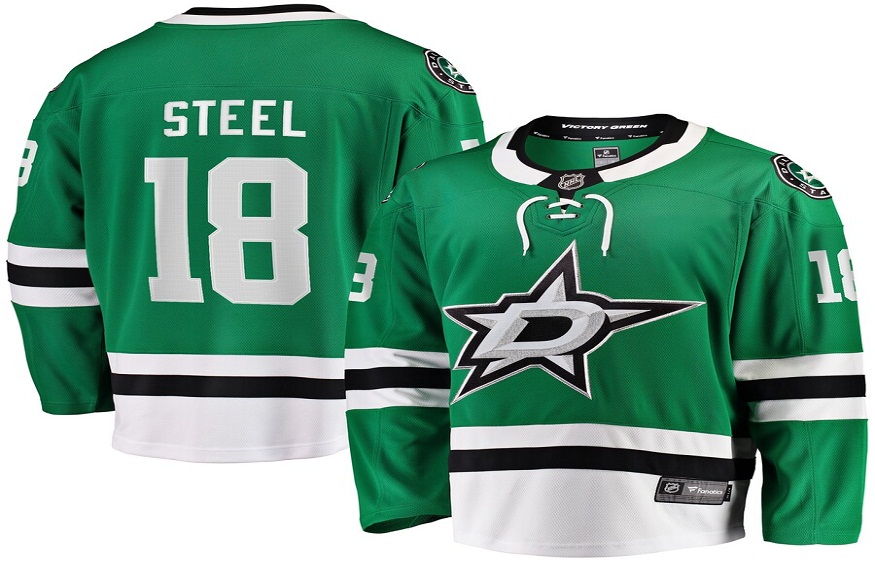
For example, you can use a Dallas Stars fan gear to anchor an outfit.When paired with understated basics, the logo injects some personality into the outfit.
Cultural nostalgia motivates wearers
Nostalgia still influences fashion choices. Some logos are associated with:
- Sports teams
- Brands
- Specific eras.
They evoke a sense of familiarity and emotional recognition.
You do not have to be a great deal of a loyalist to see the aesthetic or cultural gravity of a symbol.That is why retro and vintage logos work so well. They connect contemporary styling with collective cultural heritage.As a result, wearers do not feel like they are chasing trends.
It helps with branding in the content-driven world
The fashion industry is now hugely dependent on social media. This is where brand popularity is important. Logos can be read immediately in photos and videos. Using logo-based fashion as a way of branding works well across:
- Videos
- Pictures
- Stories
- Casual posts, etc.
When you are styling an outfit to align with digital visibility, logos can convey the purpose immediately. They create outfits that are clear without any explanation.
The bottom line
Logo fashion has remained relevant because it adapts. The 2026 rule is knowing when to stop. A single outfit can have just one logo. Combine it with good-fittingand neutral support garments.
When applied deliberately, branded apparelenhances minimalism. They make clean outfits interesting. They allude to cultureand can make you express identity without overindulgence.